Small Dental Problems Rarely Stay Small
Life gets busy, and it can be easy to postpone a routine dental check-up when your teeth feel fine. Many people assume that if there is no pain or visible damage, there is no urgent reason to visit the dentist. Unfortunately, many oral health problems develop gradually and without obvious symptoms. By the time discomfort appears, the issue may already require more extensive treatment than if it had been detected earlier.
Regular dental examinations are designed to identify potential problems before they become serious. A small cavity, mild gum inflammation or a tiny crack in a tooth may seem insignificant at first, but delaying professional care can allow these conditions to progress into more complex dental concerns. For many people, check-ups every 6 to 12 months may be appropriate, although the recommended frequency depends on individual oral health needs and professional advice.
What Can Worsen Over Time
Tooth decay is one of the most common examples of how delaying care can create larger problems. Early decay often affects only the outer enamel and may cause little or no discomfort. Without treatment, it can gradually spread deeper into the tooth until it reaches the inner pulp, increasing the likelihood of infection and severe pain.
Gum disease can follow a similar pattern. Early-stage gum inflammation, known as gingivitis, may present with mild redness or occasional bleeding during brushing. If left untreated, it can progress and damage the tissues and bone that support the teeth. Advanced gum disease may eventually contribute to loose teeth and tooth loss. Plaque is a major cause of both tooth decay and gum disease, highlighting the importance of consistent oral hygiene and regular professional care.
Plaque and tartar build-up can also become more difficult to manage over time. While daily brushing and cleaning between the teeth remove much of the plaque from accessible surfaces, hardened tartar cannot usually be removed effectively at home and requires professional cleaning.
Cracked or chipped teeth are another concern. A small crack may not initially cause pain, but repeated chewing pressure can allow it to deepen, increasing the risk of infection or structural damage that requires more complex treatment.
Dental infections can also develop gradually. An untreated cavity or damaged tooth may eventually allow bacteria to enter the inner pulp, potentially leading to an abscess that requires urgent care.
Why Early Detection Matters
One of the greatest benefits of visiting a Sydney Dentist regularly is the opportunity to detect problems before symptoms become noticeable. Many oral health conditions can progress without obvious warning signs, making professional examinations an important part of preventive care.
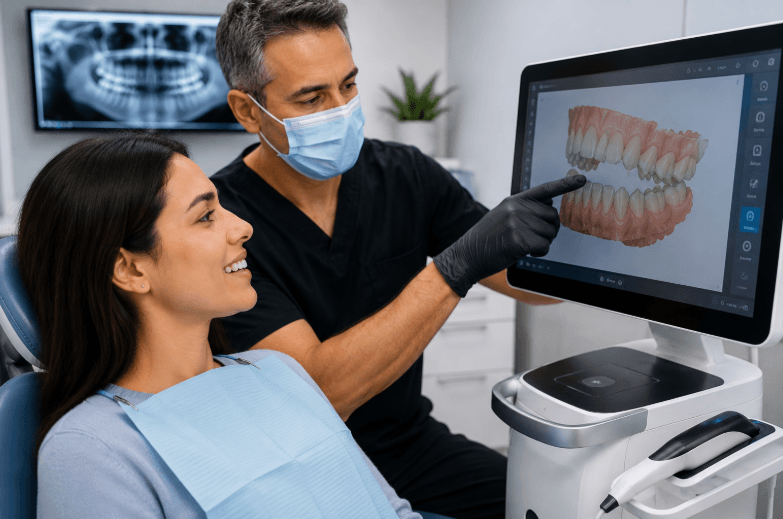
During a routine check-up, a dentist examines not only the teeth but also the gums, tongue, jaw and surrounding oral tissues. When clinically appropriate, dental X-rays may reveal hidden decay, infection or bone changes that cannot be identified through visual inspection alone.
Routine dental visits help identify issues earlier, when they may be simpler to monitor or treat.
Consequences of Delaying Care
Postponing dental appointments can have consequences beyond worsening oral health. As dental conditions progress, treatment may become more complex, time-consuming and expensive.
A cavity that may initially have required a simple filling can eventually extend into the tooth’s pulp, making root canal treatment necessary to save the tooth. If the damage becomes too extensive, extraction may be required.
Advanced gum disease may require more involved periodontal treatment rather than routine professional cleaning. Likewise, untreated infections can spread beyond the affected tooth, potentially causing facial swelling and increasing the urgency of care.
Delaying treatment may also lead to ongoing discomfort. Tooth sensitivity, difficulty chewing, bleeding gums, persistent bad breath and swelling can interfere with daily activities and quality of life. Addressing these issues early often allows for simpler treatment and better long-term outcomes.
Professional Preventive Care Makes a Difference
Preventive dentistry focuses on maintaining healthy teeth and gums before major problems develop. Routine examinations, professional cleans, personalised oral hygiene advice, fluoride treatments where appropriate and monitoring of existing dental work all contribute to long-term oral health.
Professional cleaning removes hardened plaque deposits, known as tartar or calculus, that cannot usually be removed through brushing and flossing alone. Dentists also assess existing fillings, crowns and other restorations to ensure they continue functioning properly.
Regular preventive care allows treatment to be planned before conditions become dental emergencies. Rather than responding only when pain develops, patients benefit from ongoing monitoring that helps preserve natural teeth wherever possible.
See also: How Dental Implants Can Improve Your Oral Health
Protect Your Oral Health Before Problems Become Complex
Maintaining good oral health involves more than daily brushing and cleaning between the teeth. Regular professional assessments provide an opportunity to detect issues that are not always visible or painful during their early stages.
Scheduling routine appointments with a Sydney Dentist can help identify cavities, gum disease, cracks, infections and other concerns before they require more extensive treatment. Preventive dental care supports healthier teeth and gums and may reduce the likelihood of more complex procedures in the future, helping you maintain your smile with greater confidence.
FAQs
How often should I have a dental check-up?
For many people, a dental check-up every 6 to 12 months may be appropriate. However, your dentist may recommend a different schedule based on your oral health, medical history and risk factors.
Can cavities develop without causing pain?
Yes. Early tooth decay may cause no noticeable symptoms, which is why regular examinations are important for early detection.
Why are regular professional cleans necessary if I brush every day?
Brushing and cleaning between the teeth help remove plaque, but hardened tartar cannot usually be removed effectively at home and requires professional cleaning.
Can delaying treatment lead to a root canal?
Yes. Untreated tooth decay can spread into the pulp of the tooth, potentially requiring root canal treatment or, in severe cases, extraction.
What are the early signs of gum disease?
Common early signs include bleeding during brushing, swollen or red gums and persistent bad breath. Early assessment can help prevent the condition from progressing.
Are routine dental visits only for people with tooth pain?
No. Many dental conditions can develop without noticeable symptoms. Regular check-ups help identify problems before they become painful or require more complex treatment.


 By
By