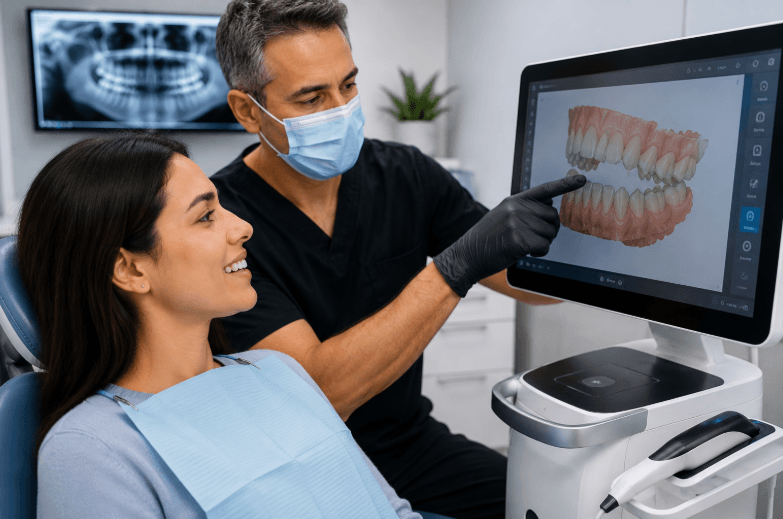
You book cleanings, buy the toothpaste, remind the kids to brush, and still wonder if you are missing something. That feeling is common. Preventive dental care sounds simple until real life gets in the way, and then you are left trying to figure out what actually protects your teeth and what just fills the calendar. If you want practical support for every stage of oral health, discover comprehensive family dentistry in Little Elm.
A good visit with a family dentist should give you more than a quick polish and a reminder to floss. It should help you understand your risks, your options, and the small steps that can keep a minor issue from turning into pain, time off work, or a big bill. If you want a short version, here it is. Ask clear questions about your risk level, your cleaning schedule, sealants, home care, and early warning signs. Those five areas shape most preventive care decisions.
Preventive dental care works best when it is personal
One reason people leave dental visits confused is that prevention gets talked about as if it is the same for everyone. It is not. A teenager with deep grooves in their molars, an adult with dry mouth from medication, and a parent who clenches at night do not need the exact same plan. That is why one of the smartest things you can do is ask, “What puts me or my child at the highest risk for cavities or gum problems right now?”
This shifts the conversation from generic advice to your actual life. Maybe your child snacks often after school. Maybe you wake up with a dry mouth. Maybe you brush well but skip flossing because your gums bleed and it feels like you are doing damage. Those details matter. During a routine dental exam, your dentist can look for plaque buildup, gum inflammation, worn enamel, bite issues, and signs that your habits or health history are affecting your mouth.
Risk matters because dental problems usually build quietly. Cavities often do not hurt early. Gum disease can start with mild bleeding that is easy to ignore. By the time pain shows up, the fix is usually more involved and more expensive.
The right cleaning schedule depends on more than the calendar
Many people assume every patient needs a cleaning every six months, no more and no less. That schedule works for plenty of families, but it is not a rule carved in stone. Ask your dentist, “How often should each person in my family come in for cleanings and exams, based on our risk?”
If someone in your home has frequent cavities, braces, gum inflammation, diabetes, or trouble brushing thoroughly, they may need to be seen more often. If another family member has a low cavity history and healthy gums, the standard interval may be enough. Asking this question helps you avoid both extremes. You do not want to overbook care you do not need, and you also do not want to stretch visits so far apart that small problems grow.
This is where many families feel stuck. They want to save money, but delaying preventive visits can lead to fillings, crowns, or deep cleanings that cost far more. Prevention is not about doing everything. It is about doing the right things at the right time.
Dental sealants can protect teeth that brushing misses
Another strong question is, “Would dental sealants help anyone in my family?” Molars have grooves that can trap food and bacteria, especially in children and teens who are still learning consistent brushing. According to the CDC, dental sealants help protect back teeth from decay by covering those hard to clean surfaces.
Parents often hear about sealants and assume they are optional extras. Sometimes they are, and sometimes they make real sense. If your child has deep pits in their molars or a history of cavities, sealants may lower the chance of decay. Adults can sometimes benefit too, depending on the shape and condition of their teeth. Asking directly gives you a clear reason for or against them instead of a vague suggestion.
Home care advice should match your habits, age, and health
“What should we change at home to prevent problems before the next visit?” is one of the most useful questions in family dental preventive care. It invites practical advice instead of a lecture. You might learn that the issue is not brushing twice a day, but brushing too fast, using the wrong brush head, missing the gumline, or not using fluoride effectively.
Good home care is not one size fits all. Young children may need a parent to finish brushing even if they insist they can do it alone. Teens with braces may need special cleaning tools. Adults with sensitive gums may need technique changes, not just stronger willpower. The National Institute of Dental and Craniofacial Research offers solid guidance on daily oral hygiene habits, including brushing, flossing, and fluoride use.
If someone in your family has bad breath, bleeding gums, frequent snacking, mouth breathing, or dry mouth, say it out loud. Those are not small details. They often point to preventable issues that need a different home routine.
Early warning signs can save you pain and money
The fifth question is simple and powerful. “What symptoms should make us call before the next checkup?” Most people wait for pain, and pain is a late messenger. You want to know what your dentist considers an early sign of trouble.
That may include bleeding when brushing, new sensitivity to cold, white spots on teeth, a sore that does not heal, jaw soreness, or a child avoiding one side of the mouth while chewing. If you know what to watch for, you are more likely to act early. That is the heart of questions for a family dentist about prevention. You are not just asking what happens in the chair. You are learning how to spot trouble between visits.
See also: How Dental Implants Can Improve Your Oral Health
Preventive care choices are easier when you compare them clearly
| Preventive step | What it helps prevent | Who may benefit most | What to ask your dentist |
| Regular exams and cleanings | Plaque buildup, gum inflammation, early cavities | Everyone, with frequency based on risk | How often should each family member come in? |
| Dental sealants | Decay in back teeth grooves | Children, teens, some adults with deep molars | Are sealants a good fit for these teeth? |
| Fluoride use at home | Weakened enamel and cavity risk | Kids, cavity prone adults, people with dry mouth | Are we getting enough fluoride for our risk level? |
| Custom home care routine | Missed plaque, bleeding gums, poor brushing habits | Families with braces, sensitivity, or gum issues | What should we change before the next visit? |
Small steps make preventive dentistry more manageable
Write down each family member’s dental pattern. Note cavities, bleeding gums, sensitivity, dry mouth, braces, grinding, or snack habits. Bring that list to the appointment. It helps your dentist give advice that fits real life, not an ideal routine.
Ask for one priority per person. Too much advice gets ignored. One child may need sealants. One adult may need a better flossing method. Another may need more frequent visits. Clear priorities are easier to follow than a long list.
Set the next prevention checkpoint before you leave. That could be a cleaning, a sealant visit, or simply a plan to monitor a sensitive area. Preventive dentistry works best when there is a next step, not just good intentions.
Staying ahead of dental problems does not require perfection. It requires better questions and a plan you can actually keep. Preventive care at the dentist is most helpful when it feels specific, practical, and honest. If your next appointment is coming up, bring these five questions with you and use them to get clearer answers for your whole family.

 By
By