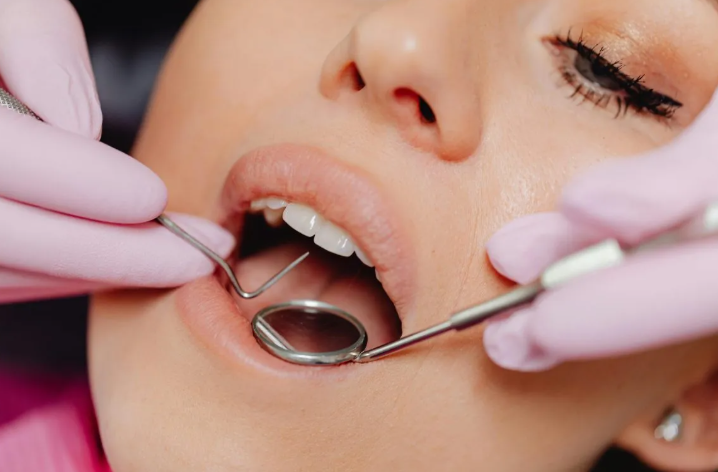
You keep up with your dental checkups, and that already puts you ahead of the curve. Still, it can feel frustrating when your teeth are healthy enough, but the mirror keeps showing stains, chips, spacing, or worn edges you cannot unsee. A routine visit handles the basics, yet many people leave wondering whether they can improve how their smile looks without turning it into a huge project with the help of a cosmetic dentist in Jacksonville.
That is where cosmetic care fits naturally. Many appearance-focused treatments work well alongside preventive visits because your dentist is already tracking your oral health, catching small issues early, and making sure any cosmetic work starts on a stable foundation. If you have been thinking about whitening, bonding, or straightening, regular cleanings and exams often make the timing easier and the results more predictable.
Routine checkups create the right starting point for cosmetic dental treatments
A cosmetic upgrade sounds simple until a hidden cavity, gum inflammation, or teeth grinding problem gets in the way. You might want whiter teeth, but whitening on top of untreated decay can lead to pain. You might want veneers, but inflamed gums can affect how they look once they settle. That is why routine checkups matter. They catch the things that can make cosmetic work uncomfortable, short-lived, or more expensive later.
Preventive care also gives you a cleaner baseline. A professional cleaning removes surface buildup so your dentist can see your true tooth shade, the shape of your enamel, and any areas of wear. According to the CDC’s adult oral health tips, regular brushing, flossing, and dental visits play a direct role in preventing decay and gum disease. Cosmetic care works best when those basics are already in place.
Teeth whitening pairs easily with cleanings and exams
Whitening is often the first thing people ask about because stains build slowly. Coffee, tea, red wine, tobacco, and just getting older can leave teeth looking dull even when they are healthy. A cleaning first makes a real difference because some discoloration sits on the surface, and removing that buildup helps your dentist judge whether whitening is likely to help.
This is one of the easiest ways to pair cosmetic dental treatments with a routine visit. If you have sensitivity, old fillings on front teeth, or deep internal staining, your dentist can tell you early whether whitening alone will give you the change you want.
Dental bonding works well when small flaws start to bother you
Tiny chips, rough edges, narrow gaps, and uneven shapes can become the one thing your eye goes to every time you smile. Bonding is a conservative option that can often be done without major tooth reduction. During a checkup, your dentist may notice a chipped edge from clenching or a worn corner that you have gotten used to seeing.
That is the value of staying consistent with visits. Small cosmetic flaws often start as small structural flaws. Fixing them with bonding can improve appearance and protect the tooth from further wear.
Veneers make sense when whitening or bonding will not do enough
Some smiles need more than a surface fix. Deep discoloration, uneven spacing, worn enamel, or teeth that differ a lot in shape may respond better to veneers. This is where expectations matter. Veneers can create a dramatic change, but they also require healthy gums and careful planning.
If you are considering smile enhancing dental procedures, your regular exam is the place to begin. Your dentist can check bite alignment, enamel thickness, and any habits like grinding that could shorten the life of veneers. That conversation can save you from choosing a treatment that looks good at first but does not hold up well in daily life.
Clear aligners fit naturally into ongoing dental care
Adults often put off straightening because they assume it is too involved, too visible, or too late. Then crowding starts trapping plaque, flossing gets harder, and certain teeth wear down faster. Mild to moderate alignment issues can often be addressed with clear aligners, and routine checkups help monitor whether your teeth and gums are healthy enough to start.
Straighter teeth are not only cosmetic. They can be easier to clean, which supports long-term oral health. The MedlinePlus overview of oral health explains how oral conditions connect to comfort, function, and overall well-being. Cosmetic changes often overlap with practical benefits more than people expect.
Gum contouring and tooth colored fillings refine the details
Not every cosmetic concern is about the teeth themselves. If your smile looks uneven because of excess gum tissue or an irregular gumline, contouring may help create balance. Routine exams are a good time to raise this because your dentist can tell whether the issue is cosmetic or related to gum health.
Tooth colored fillings also deserve a place on this list. Replacing dark metal fillings in visible areas can brighten your smile in a subtle way. If an older filling is worn or leaking, a routine checkup may uncover a chance to improve both function and appearance at the same time.
These six treatments offer different benefits, costs, and upkeep
| Treatment | Best For | Often Paired With Checkups Because | Upkeep |
|---|---|---|---|
| Teeth Whitening | Yellowing and surface stains | Cleaning removes buildup and reveals true shade | Avoid stain-heavy foods; touch-ups may be needed |
| Dental Bonding | Small chips, gaps, uneven edges | Exams catch minor damage before it worsens | May need polishing or repair over time |
| Veneers | Shape, color, and symmetry concerns | Requires healthy gums and bite evaluation | Protect from grinding and maintain good hygiene |
| Clear Aligners | Mild to moderate crowding or spacing | Checkups confirm teeth and gums are ready | Wear as directed and use retainers after treatment |
| Gum Contouring | Uneven gumline or gummy smile | Helps separate cosmetic issues from gum disease | Follow healing instructions and keep cleanings regular |
| Tooth Colored Fillings | Visible old restorations or new cavities | Routine exams often identify worn fillings early | Normal brushing, flossing, and periodic replacement |
Small steps make cosmetic dentistry feel more manageable
Ask what is cosmetic and what is restorative. A chipped tooth, worn filling, or crooked bite may look like an appearance issue, but it can also affect function. That distinction helps you prioritize treatment and budget wisely.
Start with the least invasive option that matches your goal. If whitening or bonding can get you where you want to be, you may not need veneers or more involved treatment. A good family and cosmetic dentist will walk through those options clearly.
Time cosmetic work around your routine care. Cleanings, exams, and any needed fillings or gum treatment should come first. Cosmetic dentistry tends to go more smoothly when your mouth is already healthy and stable.
See also: Give Your Space the Attention It Deserves: Professional Cleaning for Busy Lives
Routine dental visits can lead to a smile you feel better living in
You do not need to choose between healthy teeth and a smile you enjoy seeing. The two usually support each other. If something about your smile has been bothering you for a while, bring it up at your next checkup. A simple conversation can turn a vague wish into a practical plan, whether that means whitening, bonding, aligners, or another form of cosmetic dentistry.
Consistent care gives you options, and options make the process feel less overwhelming. If you are ready to talk through what might work for your smile, schedule a visit with a Family and Cosmetic Dentist.

 By
By