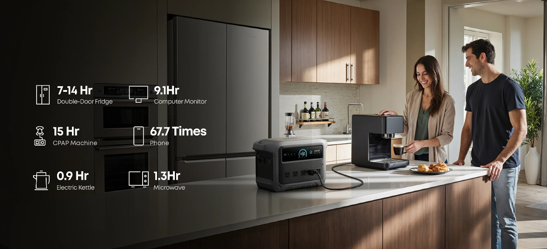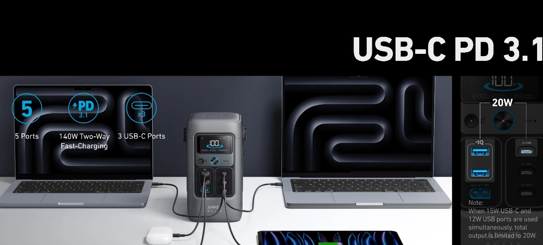
Your ability to power your gadgets consistently depends on the size of your solar generator. It could shut down under extreme strain if you choose a unit that is too tiny. Purchasing one that is too big might result in overspending and extra weight. The right size is determined by your gadgets, runtime expectations, and daily energy use. Before choosing a battery, buyers need to consider its capacity, output rating, and surge power. How to determine your energy requirements and match them to realistic generator sizes for home backup, vacation, or camping applications is covered in this tutorial.
How Do You Calculate the Right Solar Generator Size?
Step 1: List Your Devices and Their Wattage
Make a list of all the devices you want to use the solar generator to power. The rated wattage of each device may be found on the label or in the user manual. Phones, computers, lights, fans, refrigerators, and medical equipment are examples of common gadgets. If available, note the beginning and running wattages. At beginning, motors and compressors frequently need more power. To determine how much continuous output you require, add together all of your running watts. This procedure safeguards the inverter and avoids overload. Before estimating battery capacity or runtime expectations, a detailed device list helps you get a realistic idea of your basic power needs.
Step 2: Estimate Daily Energy Use in Watt-Hours (Wh)
Estimate the amount of time you will spend using each gadget each day after entering its wattage. To determine the watt-hours of each item, multiply the wattage by the number of hours of use. A 100W appliance, for instance, uses 500Wh when it runs for five hours. Your daily energy usage may be calculated by adding the totals of all your devices. This figure aids in selecting a generator with an adequate battery capacity. Remember that system losses and inverters somewhat lower the usable energy. A lot of generators operate between 85 and 90 percent of their rated capacity. Using this efficiency factor while planning guarantees that the unit you choose will satisfy actual energy requirements.
Step 3: Account for Surge Power and Runtime Needs
When powering appliances with motors, surge power is essential. During startup, air conditioners, pumps, and refrigerators frequently consume two to three times their operating power. To make sure the generator inverter can manage these surges, check the surge requirements. The unit may automatically shut down if the surge capacity is too low. Think about how long you’ll need backup power as well. A multi-day blackout demands more capacity than a quick camping excursion. Increased battery storage or more charging alternatives are required for longer durations. Stable performance and fewer unplanned power outages are ensured by taking into account both surge rating and anticipated runtime.
See also: Challenges in Technology Innovation
What Size Solar Generator Fits Different Use Cases?
Small (200–500Wh) for Phones, Laptops, and Lights
Small solar generators between 200Wh and 500Wh suit light-duty use due to their limited battery capacity. They are used by campers to charge computers, phones, tablets, and cameras. Additionally, they provide many hours of electricity to tiny fans and LED lights. These little devices are easier to carry on short excursions or treks since they weigh less. They are unable to operate major equipment like heaters and refrigerators, though. To prevent overload, users should maintain a low overall wattage. For quick trips or charging emergency devices, small generators are ideal. This size range offers efficiency and convenience without needless bulk if mobility is the most important factor and energy requirements are kept to a minimum.
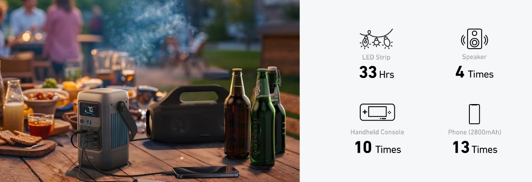
Medium (500–1500Wh) for Camping and Small Appliances
For camping and other outdoor activities, medium solar generators with capacities ranging from 500W to 1500W offer balanced performance. They can operate culinary appliances, TVs, CPAP machines, and tiny refrigerators for brief periods of time. Stronger surge ratings and increased inverter power are supported by this size range. This category is frequently selected by customers for weekend getaways or as a partial home backup. While portability is still reasonable, the weight increases in comparison to tiny units. During prolonged visits, users may recharge every day with the right solar panel combination. The flexibility of medium-capacity systems is absent from the size and expense of big backup units. They efficiently satisfy modest energy requirements.
Large (1500Wh+) for Home Backup and RV Living
Massive backup power is provided by solar generators larger than 1500Wh. During blackouts, homeowners use them to power medical equipment, lights, routers, and freezers. RV owners depend on them to run air conditioners, microwaves, and induction cooktops for extended periods of time. Strong surge ratings, increased continuous output, and extended battery choices are common features of these systems. Despite being heavy, several types have wheels to make transportation simpler. A large capacity lessens the frequency of recharging. They provide longer periods of off-grid life when combined with enough solar panels. This size category is best suited for those who consume a lot of food each day.
Conclusion
Realistic planning and meticulous computation are necessary for choosing the appropriate solar generator size. Begin by compiling a list of devices, figuring out the daily watt-hour demand, and verifying the surge needs. Compare these figures to the inverter output ratings and battery capacity. Large systems offer reliable home backup, medium models support camping and small appliances, while compact generators are ideal for minor charging needs. Avoid guessing or choosing based on price alone. Stable performance, device protection, and less downtime are all guaranteed by the appropriate size. You may pick a solar generator that provides dependable electricity for your particular scenario and long-term demands with confidence if you are aware of your energy profile and use habits.


 By
By