A garage door rarely breaks down at a convenient time. It sticks halfway up on the morning you’re already running late, or it refuses to close just as a storm rolls in. These moments are frustrating, but they’re also a reminder of how much daily life depends on a door that most people never think about until it stops working.
Garage doors are the largest moving part of most homes, and that size comes with complexity. Springs, cables, rollers, tracks, and openers all have to work together perfectly, every single time. When one piece wears out or falls out of alignment, the whole system can grind to a halt. The good news is that most garage door problems are fixable, often faster and more affordably than homeowners expect.
This post walks through the most common garage door issues, what causes them, and how professional repair services bring doors back to full working order safely and efficiently.
The Most Common Garage Door Problems Homeowners Face
Garage doors take a beating. They open and close multiple times a day, support heavy panels, and endure temperature swings that cause materials to expand and contract. Over time, this wear shows up in a handful of predictable ways.
A Door That Won’t Open or Close Properly
This is the most frequent complaint, and it usually traces back to one of a few culprits: misaligned tracks, worn rollers, or a malfunctioning opener. Sometimes the fix is as simple as realigning a track. Other times, it signals a deeper mechanical issue that needs a trained eye to diagnose.
Broken or Worn Springs
Garage door springs carry an enormous amount of tension, which is exactly why they shouldn’t be handled without proper training. A snapped spring can make a door impossible to lift, and attempting a DIY fix can be dangerous. This is one of the clearest cases where calling in a professional isn’t optional, it’s essential for safety.
Noisy Operation
A door that creaks, grinds, or bangs during operation is trying to tell you something. Often it’s a matter of lubrication or worn rollers, but persistent noise can also point to loose hardware or a failing opener motor.
Sensor and Safety Issues
Modern garage doors rely on sensors to prevent the door from closing on an obstruction. When these sensors get dirty, misaligned, or damaged, the door may refuse to close at all, or worse, close without detecting something in its path.
Why Professional Repair Beats the DIY Route
It’s tempting to search for a quick fix online and tackle a garage door issue solo. For small, low-risk tasks like tightening a loose bolt or cleaning a sensor lens, that’s reasonable. But garage doors involve high-tension components and heavy moving parts that can cause serious injury if mishandled.
Professional technicians bring a few key advantages to the table:
- Proper diagnosis: A trained technician can quickly identify the root cause of a problem instead of guessing and potentially making it worse.
- Safety-first handling: Spring replacement, cable repair, and opener installation require specific tools and techniques that minimize risk.
- Long-term value: A repair done right the first time prevents repeat issues and costly follow-up visits.
- Access to quality parts: Professionals use durable, compatible components rather than generic hardware that may wear out quickly.
Reliable garage door repair services help homeowners avoid the frustration of recurring breakdowns while keeping their homes secure and functional. Choosing a team with a proven track record means fewer surprises down the road, and more confidence that the job was done the first time correctly.
What to Expect During a Professional Repair Visit
Understanding the repair process can ease some of the uncertainty that comes with scheduling a service call. Most visits follow a similar pattern, regardless of the specific issue.
Initial Inspection
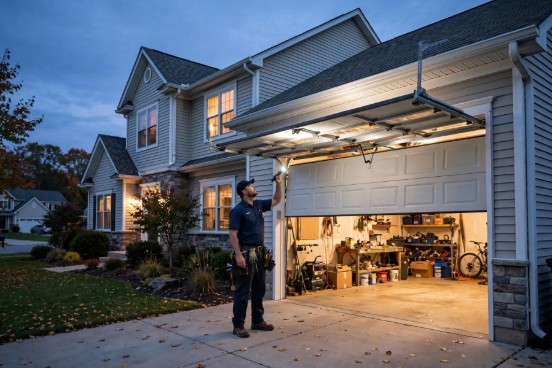
A technician will examine the entire system, not just the obvious problem area. This includes checking springs, cables, tracks, rollers, and the opener for signs of wear or damage.
Diagnosis and Recommendation
Once the inspection is complete, the technician explains what’s causing the issue and outlines the recommended fix, along with any parts that may need replacing.
Repair and Testing
After the repair work is complete, the door is tested through multiple open-close cycles to confirm smooth, safe operation. Safety sensors are also checked to make sure they’re functioning correctly.
Maintenance Tips
Many technicians will offer simple maintenance advice, like how often to lubricate moving parts or what warning signs to watch for, so homeowners can catch small issues before they become bigger repairs.
Signs It’s Time to Call for Repair
Waiting too long to address a garage door issue can turn a minor fix into a major expense. Keep an eye out for these warning signs:
- The door moves unevenly or jerks during operation
- Visible gaps or sagging in the door panels
- Unusual noises that weren’t there before
- The door reverses unexpectedly while closing
- Increased effort needed to open or close manually
- Visible rust or fraying on cables and springs
If any of these sound familiar, scheduling a repair sooner rather than later can save both money and hassle.
Keeping Your Garage Door in Top Shape Year-Round
A well-maintained garage door isn’t just about convenience, it’s also a key part of home security and curb appeal. Routine maintenance, paired with prompt repairs when something feels off, keeps the system running smoothly for years.
Simple habits go a long way: lubricating moving parts every few months, keeping tracks clear of debris, and testing the auto-reverse safety feature regularly. These small efforts, combined with professional check-ups, help extend the life of the entire system.
A garage door that works reliably is one less thing to worry about in a busy household. When something does go wrong, having a trusted team to call makes all the difference between a quick fix and a prolonged headache.
Frequently Asked Questions
How long does a typical garage door repair take?
Most common repairs, like fixing a sensor, replacing rollers, or adjusting tracks, can be completed within one to two hours. More involved jobs, such as spring or cable replacement, may take a bit longer depending on the extent of the damage.
Can I repair a broken garage door spring myself?
It’s strongly discouraged. Garage door springs are under high tension and can cause serious injury if handled without the right tools and training. This is a job best left to professionals.
How often should a garage door be serviced?
A general rule of thumb is once a year for routine maintenance, though homes with heavily used garage doors may benefit from more frequent check-ups.
What’s the difference between a torsion spring and an extension spring?
Torsion springs sit above the door and twist to create lifting power, while extension springs stretch along the upper tracks. Both require professional handling, but torsion springs are generally considered higher risk due to the tension they hold.
Will homeowners insurance cover garage door repairs?
Coverage varies by policy and the cause of the damage. Repairs due to sudden events like storms or accidents are more commonly covered than wear-and-tear issues, so it’s worth checking with an insurance provider directly.


 By