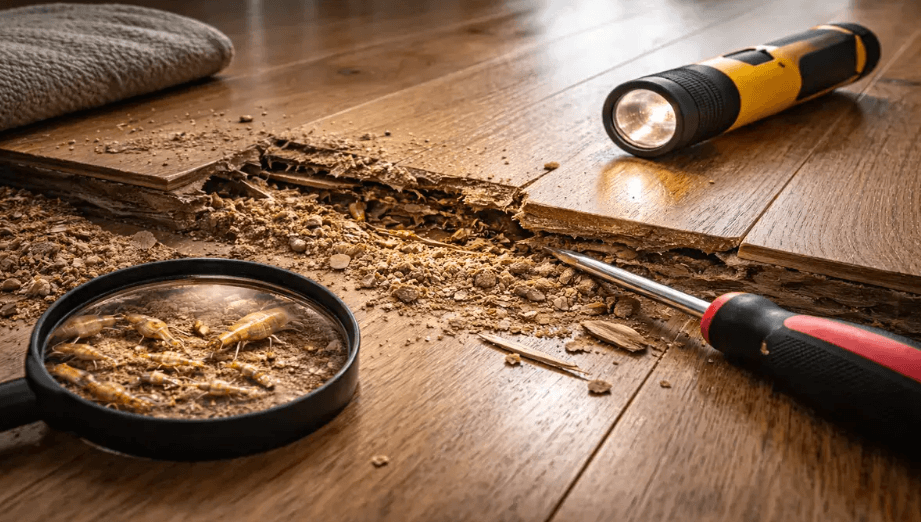
What appears to be a minor issue with a skirting board can sometimes signal a much larger problem hidden behind the walls. Many homeowners notice a section of timber that sounds different when tapped, feels slightly soft, or shows minor cosmetic damage. Because the surface often looks mostly intact, the issue is easy to dismiss. However, hollow timber skirting boards are one of the most common early warning signs of termite activity.
In many cases, this is not just surface wear. It can indicate that termites have been active within the structure for months or even years. Early recognition and prompt Termite pest Control intervention can significantly reduce structural damage and repair costs.
Why Skirting Boards Are a Common Target
Timber skirting boards are often among the first areas where termite activity becomes noticeable. Their position along floor and wall junctions makes them highly accessible entry and feeding points.
Subterranean termites typically travel from soil through concealed pathways in search of cellulose-based materials. Wall cavities, subfloors, and structural timber create ideal hidden environments for colony expansion. Skirting boards sit directly along these routes, making them an easy and consistent food source.
Because the activity occurs internally, the visible damage on skirting boards is often only a small part of a much larger infestation developing behind walls or beneath flooring.
What Hollow Sounds Actually Mean
A hollow sound when tapping timber is one of the most reliable early warning signs of termite damage. Unlike surface wear, termites consume wood from the inside out, leaving the outer layer intact while hollowing the interior.
This means the skirting board may still look normal externally while being structurally compromised internally. When tapped, the timber produces a hollow or papery sound due to internal tunnelling and loss of density.
In more advanced cases, even light pressure may cause the timber to crumble. This indicates that internal structural support has already been significantly reduced.
A professional Termite pest Control inspection is recommended as soon as this sign is detected.
Other Signs of Termite Activity
Hollow skirting boards are rarely the only warning sign. Additional indicators may include:
- Cracks, bubbling, or peeling paint on timber surfaces
- Swollen or distorted skirting sections
- Soft or sponge-like timber when pressed
- Mud tubes along walls, foundations, or hidden corners
- Discarded wings near windows or doors
- Sticking doors or windows due to frame distortion
Mud tubes are particularly important, as they indicate active termite movement between soil and timber food sources. These structures allow termites to maintain moisture while travelling safely inside a property.
Because these signs can resemble moisture damage, professional assessment is essential for accurate identification.
Risks of Ignoring the Damage
Ignoring hollow skirting boards can allow termite activity to continue unchecked. Termites rarely stay confined to one location and will gradually expand into surrounding structural timber, flooring, and wall cavities.
What begins as minor skirting damage can escalate into widespread structural weakening if left untreated. Over time, this can compromise wall framing, flooring integrity, and load-bearing components.
The financial impact also increases significantly as damage spreads. Early intervention through Termite pest Control is far more cost-effective than repairing structural timber failure or replacing affected building sections.
Professional Inspection and Treatment
When hollow timber skirting boards are identified, a professional inspection is essential to determine whether termite activity is active or historical.
Specialists use thermal imaging, moisture detection tools, and physical inspection methods to locate hidden colonies, entry points, and damaged areas within the structure.
Once confirmed, treatment is tailored to the severity and species of termite involved. Effective Termite pest Control focuses on:
- Eliminating active colonies
- Protecting surrounding timber structures
- Identifying moisture or access conditions that contributed to the infestation
Early treatment significantly reduces the risk of further structural deterioration.
See also: Easy Weekend Home Improvement Projects
Preventing Future Termite Problems
Prevention plays a key role in long-term termite management. Regular inspections are essential, particularly in areas where termite activity is common.
Key prevention measures include:
- Fixing leaking pipes and drainage issues promptly
- Reducing moisture buildup around the property
- Ensuring soil is not in direct contact with timber structures
- Maintaining ventilation in subfloor and wall areas
- Scheduling routine termite inspections
Moisture control is especially important, as damp conditions significantly increase termite attraction and survival.
Routine monitoring of skirting boards, door frames, and flooring areas can also help detect early warning signs before major damage occurs.
Act Quickly When Warning Signs Appear
Hollow or damaged skirting boards should never be dismissed as minor cosmetic issues. They are often one of the earliest visible indicators of hidden termite activity inside structural timber.
Delaying action allows termites to spread further and cause extensive damage that may require major repairs.
Homeowners who notice hollow sounds, soft timber, mud tubes, or other warning signs should arrange professional Termite pest Control services as soon as possible. Early inspection and treatment offer the best protection for both the structure and long-term repair costs.
FAQs
Why do termite-damaged skirting boards sound hollow?
Termites consume timber internally, leaving only a thin outer layer. This creates internal voids that produce a hollow sound when tapped.
Can skirting boards look normal even if termites are present?
Yes. Termites often leave the outer surface intact while feeding inside, making damage difficult to detect visually.
Are hollow skirting boards always caused by termites?
Not always. Moisture damage or timber decay can produce similar symptoms, which is why professional inspection is important.
What are mud tubes?
Mud tubes are protective tunnels built by subterranean termites to travel between soil and timber while maintaining moisture.
How quickly can termite damage spread?
Damage speed depends on colony size and conditions, but termites can cause significant structural damage over time if untreated.
How often should termite inspections be carried out?
Regular inspections are recommended in termite-prone areas, typically once a year, to ensure early detection and prevention.


 By
By