Most people do not call for a roof inspection just to check a box. Something usually pushes them to do it. A stain appears on the ceiling. A few shingles turn up in the yard. Water starts showing up around a vent, or a minor leak comes back after the next storm. At that point, the real question is not whether the roof has a problem. It is how far that problem has spread and what it will take to fix it. For homeowners looking into roof repair boise, the inspection is often the first moment when the situation becomes clear.
A professional roof inspection should do more than confirm what you already suspect. It should show where the weak points are, whether the damage is recent or ongoing, and whether the issue is limited to one section or tied to bigger wear across the system. That matters because a roof rarely fails in a neat, obvious way. The part you notice from inside the house is often only one piece of the story.
The First Look Happens From the Ground
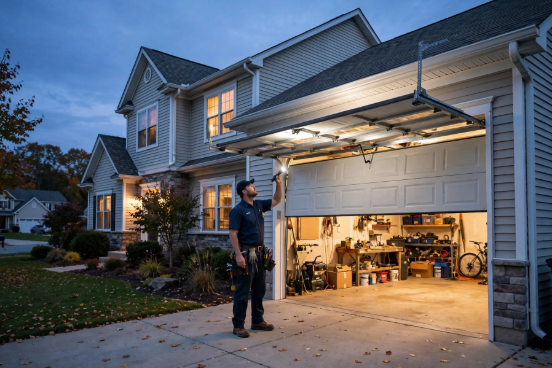
A good roof inspection usually starts from the ground, before anyone gets on a ladder. Even from below, a contractor can often notice uneven rooflines, missing shingles, bent flashing, sagging areas, or gutter problems. It may seem simple, but that first look helps set the context before taking a closer look.
That broader view matters because roof damage does not usually happen evenly. One side of the roof may take more wind and weather than the other. Some areas may stay wet longer because water does not drain well. Another section may look fine from the ground, but show wear around vents or other openings when viewed up close. Looking at the entire roof first helps the inspector understand how everything works together rather than treating each problem as unrelated.
This is also the point where the inspector should pay attention to nearby conditions. Tree limbs, debris, chimney edges, skylights, and valleys can all affect how water moves across the roof and where materials start to fail. A careful inspector is not only looking for what is damaged. They are also thinking about what caused it.
Surface Wear Tells Part of the Story
Once the roof is inspected up close, the visible materials usually reveal quite a bit. Cracked shingles, lifted tabs, exposed nail heads, worn granules, and brittle edges all suggest different kinds of stress. Some point to age. Some suggest wind exposure. Some hint that moisture has already started working its way below the top layer.
Inspectors usually look closely at flashing because that is where many leaks begin. The areas around chimneys, vents, skylights, and wall lines tend to be more vulnerable than open sections of the roof. Even a small gap in one of those spots can let water in and lead to damage that spreads farther than expected. From the ground, the roof may seem fine, but those transition areas often tell a different story.
Older repair work can also reveal quite a bit. A patch may look acceptable at first glance, but if it was done without fixing the root cause, it may not have lasted long. Newer shingles beside worn materials can also suggest that the issue was never fully resolved. In many cases, signs of earlier repairs help explain why a leak recurred or why the damage extended beyond the original area.
The Interior Can Reveal More Than the Roofline
Some of the most important clues are often inside the house or up in the attic, not on the roof itself. Water does not always come straight down from the place where it got in. It can run along wood, spread into insulation, and show up several feet away from the actual opening. That is why a ceiling stain does not always tell you where the problem began.
A thorough inspection usually includes a look at the attic for signs like damp insulation, stained wood, mold, and musty air. Those details can show whether the leak is recent or whether moisture has been building over time. That matters because a small, newer leak may call for a limited repair, while an older one may have already reached deeper materials below the surface.
This is where an inspection can change the scope of the job. What appears to be a single damaged spot from below may turn out to be part of a larger wet area once the surrounding materials are inspected. In that situation, the visible mark is only the part that finally became noticeable.
Ventilation and Drainage Matter More Than People Think
Not every roof problem starts with missing shingles or storm impact. Sometimes the bigger issue is poor airflow or bad water movement. During an inspection, contractors often look at how the roof is ventilated and whether drainage is doing its job.
If heat and moisture are getting trapped in the attic, roofing materials can wear out faster from underneath. If water is slow to move off the roof, certain sections may stay wet longer than they should. Valleys, edges, and low spots are especially important here. They may not look dramatic, but they often reveal patterns that explain why one area keeps failing.
This part of the inspection is useful because it looks beyond the immediate symptom. A contractor may be able to stop a leak today, but if the roof is constantly dealing with trapped heat or poor drainage, the same section may become a problem again. A proper inspection should catch those patterns before the homeowner spends money on a repair that does not hold up.
You Should Leave With Clear Findings
At the end of a professional roof inspection, the homeowner should have more than a general warning that the roof is old or damaged. The findings should be specific and easy to understand. Which areas are compromised? Whether the decking appears affected. Whether moisture is active. Whether the damage seems limited or widespread. Whether the repair is reasonable or whether the roof is starting to move past that stage.
Photos help homeowners feel more confident in an inspection. Most people are not going to climb onto the roof and check the damage themselves, so it helps to see what the contractor is talking about. Good photos show the problem, where it is, and how bad it looks. They also make it easier to compare estimates and tell the difference between a contractor who has real evidence and one who is just making claims.
An inspector should also explain the timing clearly. Some problems need attention right away, especially if water is getting in or materials are starting to come loose. Others should be repaired soon, but are not urgent. That gives homeowners a better sense of what needs to be handled now and what can wait a little while, without making them feel pressured.
See also: Easy Weekend Home Improvement Projects
The Inspection Should Lead to a Smarter Decision
The real value of a roof inspection is not just finding damage. It is defining the scope of the problem well enough to make a solid decision. Sometimes that leads to a simple repair. Sometimes it reveals that the surrounding materials are too worn or too compromised for another patch to make sense.
That is where roof repair boise becomes a question of long-term value, not just immediate price. A cheaper fix is not really cheaper if it fails quickly or leaves moisture trapped below the surface. On the other hand, not every damaged roof needs full replacement. The inspection should help separate a repairable issue from a roof that is starting to break down in multiple places.
A professional inspection should leave you with a realistic view of the roof’s condition, not a rushed sales pitch or a guess. When it is done well, you understand what the contractor found, how serious it is, and what kind of work actually fits the situation. That kind of clarity is what makes the next step easier.


 By
By