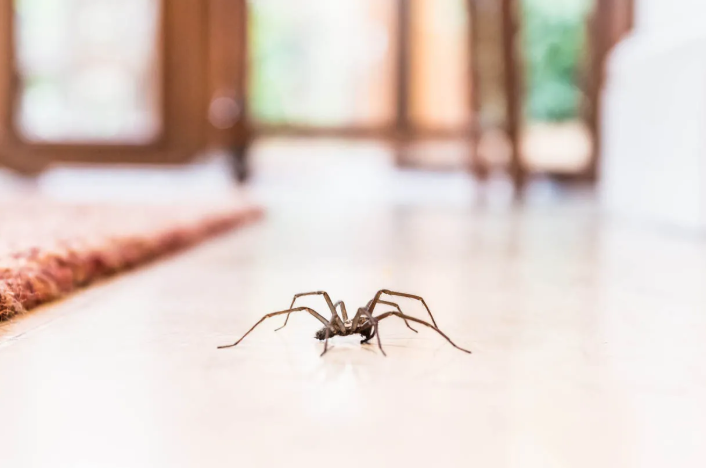
You rarely notice spiders anywhere else in the house. The bedrooms are clear, the living areas are fine, and the kitchen rarely gives you any trouble. Yet the laundry room always seems to be the exception. There’s a web in the corner one week, a spider scurrying near the washing machine the next, or one tucked behind a basket of stored items waiting to be put away.
It’s a pattern that quickly becomes hard to ignore. When spider activity is concentrated in a single room rather than spread across the home, there’s almost always a reason that particular space keeps drawing them in.
Why Laundry Rooms Appeal to Spiders
To understand the problem, it helps to look at the laundry room the way a spider might. It’s one of the few spaces in a typical home that offers everything a spider wants in one place:
- Shelter from the weather, especially if the room connects to a garage or external wall
- Limited foot traffic, since people pass through briefly rather than lingering
- Dark corners and gaps behind and beneath appliances
- Warmth radiating from washing machines and dryers
- Quiet, undisturbed spots where webs can be built and left alone
Most spiders prefer to settle somewhere they won’t be repeatedly disturbed, and the laundry room delivers exactly that. Webs in a busy hallway get swept away within days, but a web behind the dryer can sit untouched for weeks. That stability is a big part of the appeal.
See also: Challenges in Technology Innovation
How Moisture Can Influence Spider Activity
Laundry rooms also tend to be among the more humid spaces in a home. Between the washing machine, the warm air from a dryer, and limited airflow, these rooms commonly experience:
- Humidity released during wash cycles
- Condensation on cooler surfaces
- Damp flooring around appliances
- Poor ventilation that traps moisture
Spiders themselves don’t depend on water the way some pests do, so the dampness isn’t attracting them directly. The connection is more indirect. Humid, poorly ventilated rooms tend to support the small insects that spiders feed on, and where the prey gathers, the predators follow.
Why Insects Often Gather in Laundry Areas
This is the part many homeowners overlook: spiders go where their food is. A laundry room that quietly attracts insects becomes a reliable hunting ground, and that’s often the real reason spiders keep choosing it.
The kinds of insects drawn to these spaces can include:
- Flies
- Moths
- Ants
- Mosquitoes
- Other small insects attracted to warmth, moisture, or light
A steady supply of prey gives spiders every reason to stay put rather than venture into the rest of the home. As long as the room keeps offering meals, they have little incentive to move on, and the population in that one space can slowly build.
Signs the Problem May Be Growing
A single web is easy to dismiss, but certain signs suggest conditions are encouraging ongoing activity rather than a one-off visitor. It’s worth paying attention to if you notice:
- Webs are increasing in number or reappearing soon after you clear them
- Spiders are showing up regularly rather than occasionally
- Egg sacs (small, rounded silk capsules) in corners or behind appliances
- Insect activity around windows and light fittings
- Spiders are beginning to appear in rooms adjoining the laundry
Egg sacs in particular are a sign worth acting on, since each one can contain a large number of spider lings. Once they hatch, what started as the occasional sighting can become a noticeably busier room.
Why Homeowners Often Overlook the Laundry Room
Part of the reason these issues develop unnoticed comes down to how the room is used. Laundry spaces are typically visited in short bursts: load the machine, come back later, fold, and leave. Attention is on the washing and the storage, not on the corners, the skirting, or the gaps behind the appliances.
Because of that, small early signs of pest activity tend to slip past. A faint web or a single egg sac doesn’t register when you’re focused on getting a load done. By the time the activity becomes obvious, the conditions that allowed it have usually been in place for a while.
Why Ignoring the Issue Can Lead to Wider Activity
It’s tempting to treat a laundry-room spider problem as self-contained, but the factors attracting them rarely stay confined to one room indefinitely. If nothing changes, spiders and the insects they hunt can gradually extend into nearby areas, such as:
- Adjoining hallways
- Garages
- Bathrooms
- Storage areas and cupboards
- Other low-traffic parts of the home
Spiders spread outward when a space becomes crowded or when prey starts moving through connecting areas. Dealing with the laundry room while the activity is still localised is far easier than trying to manage it once it has reached several rooms.
When Professional Help Becomes Important
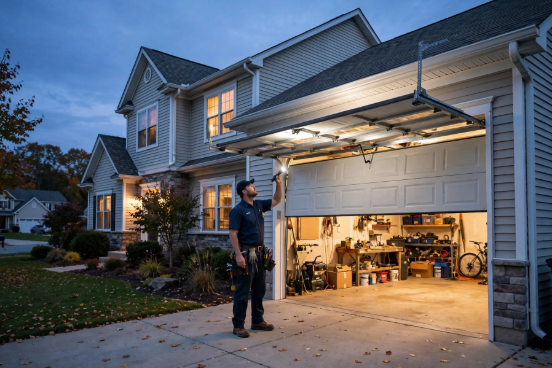
Regular cleaning and decluttering go a long way, but they don’t always resolve an established population on their own, particularly if there’s a steady food source keeping spiders in place. If spiders keep returning despite your efforts, professional Spider Pest Control services can help.
A technician can work out exactly why the laundry room is attracting activity, locate the hidden harbourage areas where spiders shelter and breed, and treat the room in a way that addresses both the spiders and the insects drawing them in.
What Homeowners Should Check Early
As part of a broader Pest Control approach, there are several practical checks worth doing before the problem grows:
- Inspect behind and beneath appliances, where webs and egg sacs often go unseen
- Remove unnecessary clutter and stored cardboard that provides shelter
- Check for insect activity, since reducing the food source reduces the spiders
- Improve ventilation where possible to cut down on trapped humidity
- Monitor windows, doors, and entry gaps where pests get in
Addressing the conditions that make the room attractive is usually more effective in the long run than simply clearing webs as they appear.
There Is Usually a Reason Spiders Choose One Room
If spiders consistently turn up in the laundry room and nowhere else, the room is almost certainly providing something they value: shelter, a reliable food source, or environmental conditions they prefer. Identifying those factors early and dealing with them before the activity spreads is the most reliable way to keep both the laundry room and the rest of the home far less inviting to pests.


 By
By